
Vacancy progress is difficult to summarize
Candidate stages and outcomes require manual consolidation.
Understand pipeline progress, recruiter workload, overdue work and bottlenecks using the operational information your team already records.
Flexible plans from LKR 7,000/month • Local setup & support
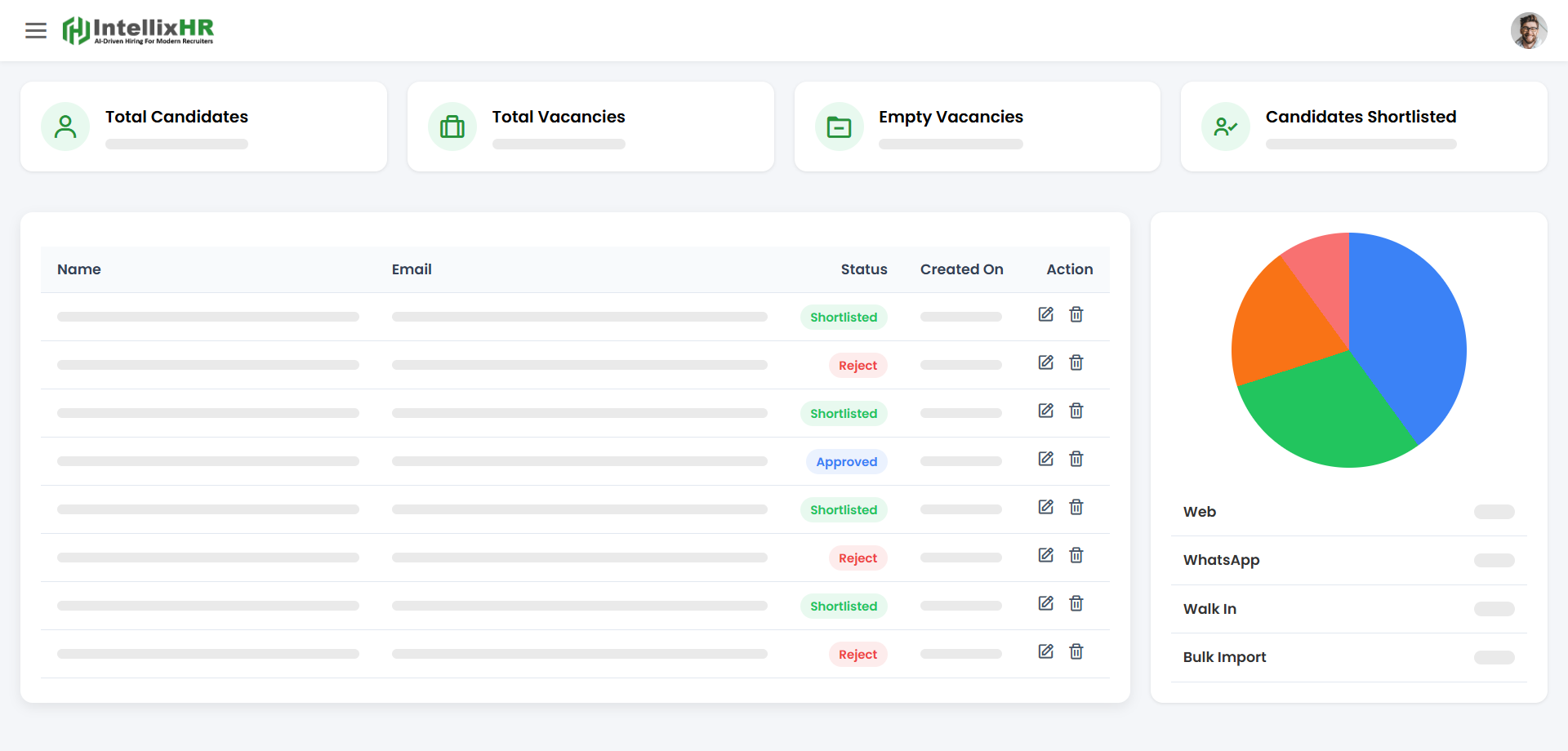
Managers need practical answers about execution, not another spreadsheet assembled at the end of the week.
Candidate stages and outcomes require manual consolidation.
There is no clear view of time spent without action.
Managers cannot see pending work by recruiter or owner.
Interview, offer and joining delays are discovered through escalation.
Use candidate progress and recruiter actions to surface what deserves attention.
See operational status and exceptions instead of relying only on high-level totals.
See candidates across stages and recruitment outcomes.
Understand calls, follow-ups and completed work in context.
Identify candidates and stages that have remained without action.
Use attention and workload views to prioritize management support.

Recruitment visibility is most useful when it helps a manager decide where to intervene, rebalance work or remove a bottleneck.
See candidate and stage ageing so delayed work is easier to identify.
Review candidate ownership and pending actions across recruiters.
Compare stage volume and movement across active recruitment pipelines.
Use completed-work and outcome views to understand execution.
Give leaders a clearer view of where intervention can improve recruitment execution.
See how IntellixHR can give managers clearer recruitment visibility.